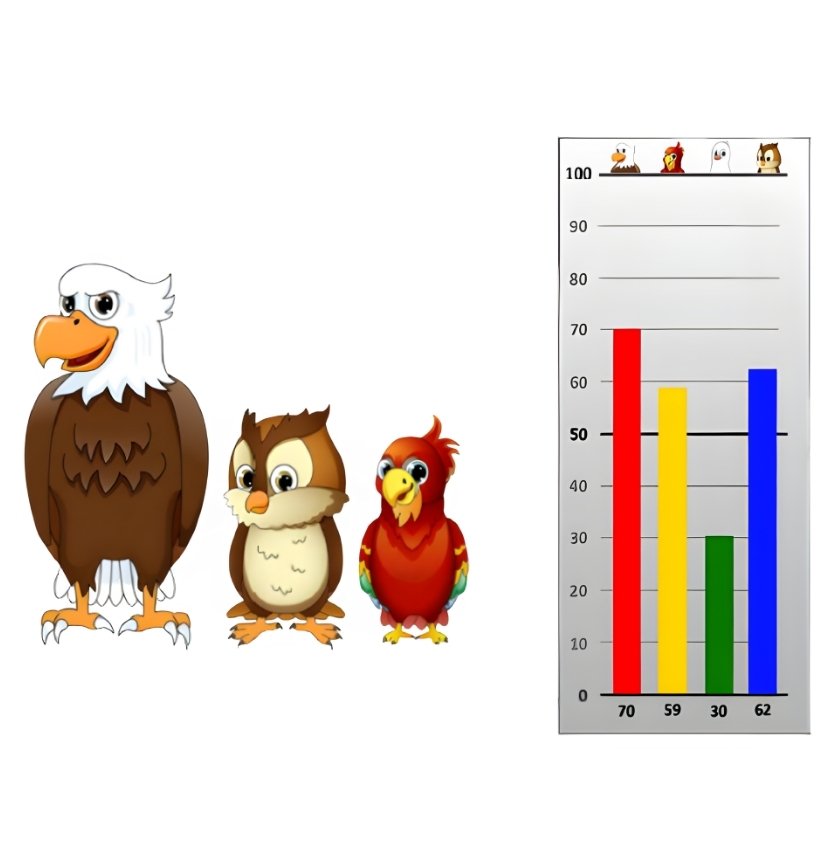
KIDS DiSC™ | (D)ominance, (i)nfluence, (S)teadiness and (C)onscientiousness

The DISC Assessment™ reveals your behavioral style and communication preferences
so individuals and teams can adapt faster, reduce friction and deliver better results.

Suitable for 8-18yrs

Communication Unlocked

Clarity • Adaptability • Trust

Self-Awareness Elevated

Motivation • Influence • Impact

Teamwork Accelerated

Collaborate • Align • Productivity

Designed for KIDS, PARENTS,
TEACHERS, and more!

  • Created especially for kids, using language that they understand.
  • Customized communication strategies for children based on their bird style.
  • Three report sections provide helpful information for the child and the adults in their lives.
  • Gain a deeper understanding of a child’s behavior.
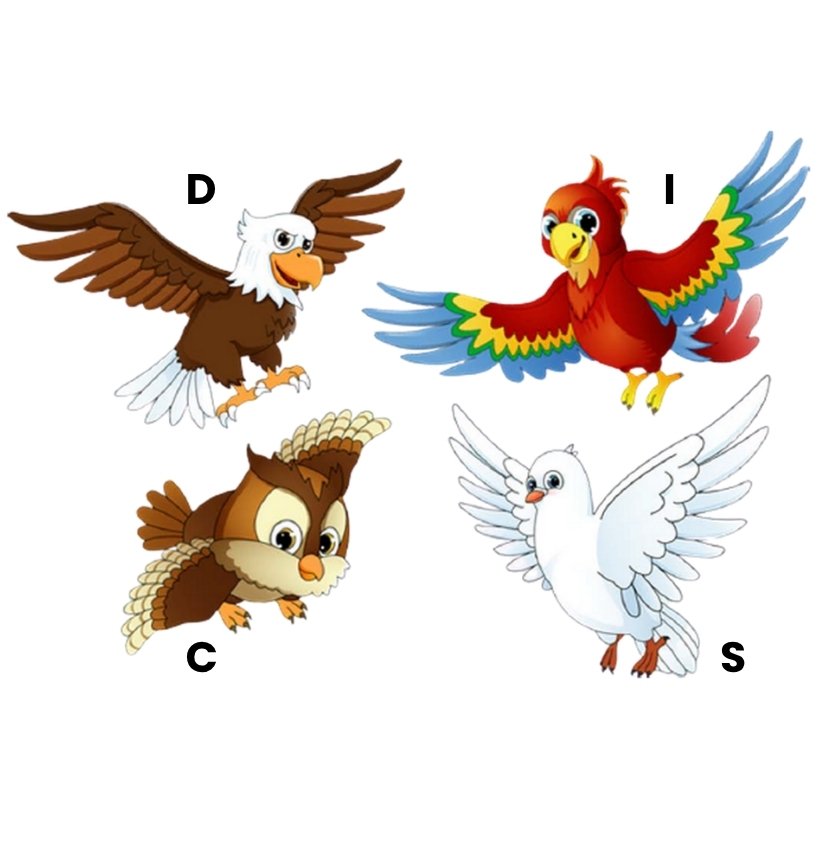
Birds that correlate to DISC behavior profile

A comprehensive report with actionable items for everyone.

The Kids DISC report is customized based on each child’s assessment results. In addition to information about the child’s style, they also receive tips for identifying and interacting with the other styles at school, in sports and activities, and with family and friends.

Gain immediate insights.

The Kids DISC assessment is an opportunity for children to learn more about themselves! Inside the report, kids, and the adults around them, will discover how special and unique they are. Each child’s bird style is their superpower, and the Kids DISC assessment from Careerz Group helps them be the best that they can be.
45M+ people across 75+ countries have used DISC

Reliable by Design.
Trusted at Scale.
Improve Self-Awareness.

Building a company or a career plan?
DISC helps with team development, communication, and coaching.

What you gain

  • Clear picture of your primary and secondary styles.
  • Playbook for adapting your communication to different people.
  • Tactics to reduce friction and speed up decisions.
  • Language for coaching conversations and career growth.
85% Accuracy reported by 45M users

Used since 1956, each year over 1 million people take DISC assessments, reporting an aggregate 85% accuracy.

95% of people think they’re self-aware. At best 15% are.

Only 10–15% of people are truly self-aware, which means there is real room to grow. Source: Harvard Business Review

How others view you impacts your career advancement

If how you’re seen is holding you back, DISC reveals why and gives you the tools to reset the narrative.

Frequently Asked Questions About the Kids DISC Assessment
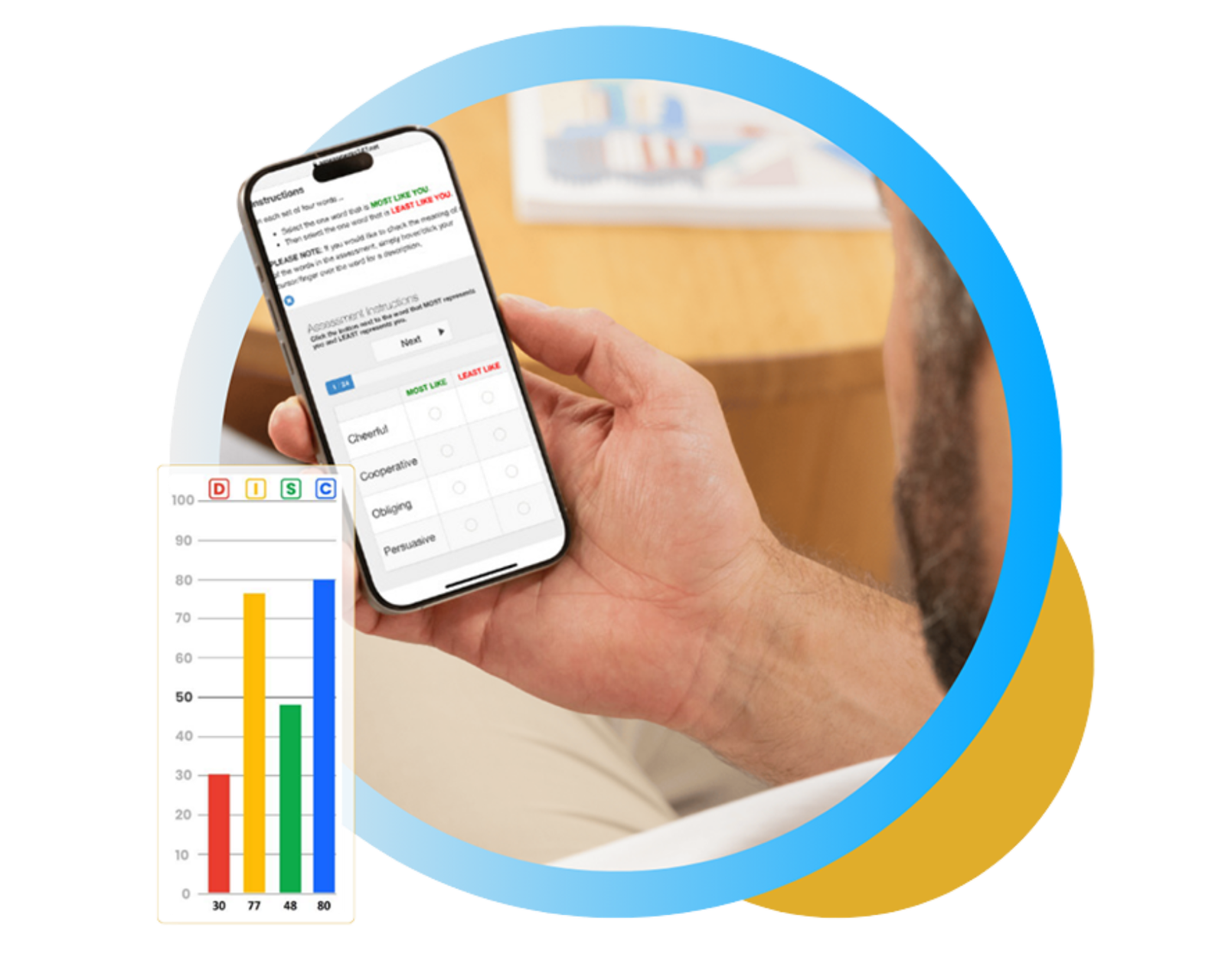
The Kids DISC assessment is a child-friendly behavioral assessment that helps kids understand how they tend to communicate, respond to challenges, work with others, and approach everyday situations at school, at home, in activities, and with friends.

Instead of starting with adult workplace language, Kids DISC uses bird styles to make behavior easier for kids to understand and remember. That makes it easier for parents, teachers, counselors, coaches, and family support professionals to talk about behavior without making the child feel criticized or labeled.

At Careerz Group, we use Kids DISC as a practical communication tool. It helps children and the adults around them better understand what motivates the child, what frustrates them, how they prefer to interact, and what kind of support may help them grow.

The Kids DISC assessment is designed for children and students ages 8-18. That range matters because behavior, communication, confidence, and self-awareness develop over time. A younger child may use the results to better understand friendships, school behavior, family communication, or activities. An older student may use the results to think more clearly about leadership, teamwork, college planning, internships, interviews, and early career direction.

For Careerz Group, the point is not to rush kids into a career decision. The point is to help younger people build self-awareness earlier, before behavior patterns become labels, frustration, or missed opportunities.

Kids DISC connects the four DISC behavior styles to easy-to-remember bird styles:

  • Eagle: direct, confident, determined, action-oriented.
  • Parrot: expressive, social, enthusiastic, idea-oriented.
  • Dove: supportive, steady, patient, relationship-oriented.
  • Owl: careful, thoughtful, accurate, detail-oriented.

The bird model is powerful because kids can actually use it. A child may not remember “Dominance” or “Conscientiousness,” but they can understand, “My Eagle side wants to take charge,” or “My Owl side wants more details before I feel ready.”

That language helps adults coach behavior without shaming the child’s natural strengths.

Because children need language that feels safe, simple, and memorable.

Adult DISC language can feel too abstract for younger students. Bird styles make the insight easier to understand. They also make it easier for adults to redirect behavior in a positive way.

For example, instead of saying, “Stop being bossy,” a parent or teacher can say, “Your Eagle energy is strong here. How can you lead without taking over?” Instead of saying, “You ask too many questions,” an adult can say, “Your Owl side wants clarity. What are the most important details you need before you start?”

That is a better conversation. It protects the child’s confidence while still helping them grow.

Kids DISC can help parents stop misreading behavior.

A child who pushes back may not simply be defiant. They may need challenge, choice, and a healthy way to lead. A child who talks constantly may not simply be distracting. They may need connection, expression, and help with follow-through. A child who avoids conflict may not be weak. They may need safety before they speak up. A child who asks endless questions may not be difficult. They may need clarity before they can move forward.

For parents, Kids DISC turns the question from “What is wrong with this behavior?” into “What is this child trying to show us, and how do we help them use it well?”

That shift can reduce frustration at home and create a more useful path for coaching, correction, and confidence-building.

Kids DISC gives teachers and guidance counselors a neutral language for understanding how students participate, communicate, handle group work, respond to pressure, and build confidence.

Some students speak quickly and take charge. Others need time to process. Some are energized by group projects. Others prefer structure, preparation, or a clear role. Without a framework, those differences can be misread as attitude, shyness, bossiness, anxiety, distraction, or lack of effort.

Kids DISC helps adults see the student more clearly. That can support better classroom communication, advisory conversations, group assignments, leadership opportunities, peer conflict resolution, and school-to-career planning.

Kids DISC can help families talk about behavior patterns without turning every conversation into blame.

A parent may see a child as stubborn, dramatic, withdrawn, overly sensitive, or too picky. The child may feel misunderstood, criticized, pressured, or ignored. Kids DISC gives both sides a less threatening way to talk about what is happening.

It is not a clinical diagnosis and should not replace professional judgment. Its value is practical. It helps families name communication patterns, understand style differences, and build healthier ways to respond to each other.

For family therapists, counselors, and support professionals, the bird styles can become a useful bridge between insight and everyday behavior change.

Yes. Especially when it is used as an early self-awareness tool, not a career box.

Kids DISC can help students notice how they prefer to work, communicate, lead, learn, and interact. That can be useful when choosing classes, activities, volunteer roles, internships, part-time jobs, clubs, college environments, and early career pathways.

But no child should be told, “You are an Owl, so you should become this,” or “You are a Parrot, so you should avoid that.” That is too simplistic.

The better use is to ask:

  • What kinds of tasks help this student feel capable?
  • What kinds of environments help them participate?
  • Where do they lead naturally?
  • Where do they need support?
  • What settings drain or frustrate them?

That is where Kids DISC fits Careerz Group’s broader fit-first approach.

Yes, if the results are used the right way.

Many kids mostly hear about their behavior when adults are frustrated. Kids DISC gives adults a better starting point: name the strength first, then coach the overuse.

  • An Eagle’s confidence can become pushiness.
  • A Parrot’s enthusiasm can become distraction.
  • A Dove’s patience can become silence.
  • An Owl’s careful thinking can become perfectionism.

The message becomes: “There is nothing wrong with how you are wired. Let’s learn how to use your strengths well.”

That is more useful than telling kids to “just behave” without helping them understand what is driving the behavior.

It should not.

Bad assessment use puts a child in a box. Smart assessment use gives a child language, perspective, and choices.

Kids DISC should never be used to say, “You are the bossy one,” “You are the loud one,” “You are too sensitive,” or “You are the quiet one.” That misses the point.

At Careerz Group, the goal is to help children and adults see patterns without turning those patterns into permanent labels. A child may have a strong bird style, but every child can learn to adapt, listen, lead, support, ask questions, communicate clearly, and work with different kinds of people.

The Kids DISC report is customized based on the child’s assessment results. It includes information about the child’s behavioral style, tips for understanding other styles, and practical guidance for interacting at school, in sports and activities, with family, and with friends. The page also notes that the report includes three sections designed to support both the child and the adults in the child’s life.

That matters because the assessment is not just for the child. It is also for the people guiding them. Parents, teachers, counselors, coaches, and other trusted adults can use the report to communicate better, reduce friction, and support the child more effectively.

Sample Kids DISC Report | Teachers Full Report Version

Kids DISC fits into Careerz Group’s broader fit-first approach by helping younger people understand how they tend to show up with others.

For children and students, that can support better conversations about school, friendships, confidence, family dynamics, activities, leadership, learning environments, and early career exploration.

For parents, teachers, guidance counselors, family therapists, and support professionals, it creates a practical language for understanding behavior before jumping to labels or assumptions.

Careerz Group uses tools like Kids DISC to help people make better decisions with better self-awareness. For younger students, that starts with understanding strengths, communication style, behavior patterns, and the kinds of environments where they are more likely to grow.

What does DISC measure?

DISC looks at what people can see. It focuses on your day-to-day behaviors and the emotions behind them. It does not judge your intelligence, education, experience, aptitude, mental health, or personal values.

You will see how you respond to pressure and problems, how you influence and connect with others, the pace you prefer, and how much structure and direction you like.

Once you see these patterns, you can lean into your strengths and adjust the areas that get in the way. Your message lands more clearly, relationships improve, and your work moves with less friction.

Behaviors @ Work | Ideas, Research & Inspiration

The Science and Stories Behind DISC™

Dig deeper into the power of passion with expert insights, research, and resources.

We couldn’t have said it better

what people are saying

Real stories from students, professionals, and organizations who discovered clarity, confidence, and purpose with the JPTI™.

Smoother Communication

“Before DISC, I assumed everyone heard things the way I do. Now I know when to be patient, when to be direct, and how to meet people where they are. Projects feel smoother and life at home is easier.”

Alyssa P. | St. Petersburg, FL

Spot Style Differences

“DISC gave me words for things I felt but could not explain. I can spot different styles, choose my approach, and build trust faster. Communication is clearer with my team and with my family.”

Rosemary P. | Clearwater, FL

Improved Sales Conversations

“DISC helped me get out of my own way. I understand how I come across and how others like to communicate. I slow down, read the room, and adjust. It has improved my work conversations and my relationships at home. And best of all, my sales performance.”

Jennifer O. | Southfield, MI

Like A Crystal Ball

“It’s like my own crystal ball. I can quickly spot style differences and know how I should approach people differently. I didn’t realize what I was doing wrong. Now I do! I was able to have courageous conversations with my boss and became a trusted advisor.”

David K. | Poughkeepsie, NY