
DISC™ | (D)ominance, (i)nfluence, (S)teadiness and (C)onscientiousness
The DISC Assessment™ reveals your behavioral style and communication preferences
so individuals and teams can adapt faster, reduce friction and deliver better results.
Communication Unlocked
Clarity • Adaptability • Trust
Leadership Elevated
Coaching • Motivation • Influence
Teamwork Accelerated
Collaborate • Align • Productivity
Reduce Friction, Raise Results.
Map Your DISC Style to Accelerate Your Career Path.
Predictable Collaboration = Better Outcomes
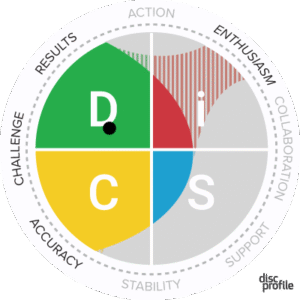 At Careerz Group, the DISC Assessment™ helps you decode how you naturally show up at work: how you communicate, make decisions, and collaborate. The result is less friction, clearer strengths, and confident growth. You’ll receive a clear profile with practical next steps you can use right away.
DISC maps behavior across four observable styles: Dominance, Influence, Steadiness, and Conscientiousness. Everyone is a unique blend. Knowing your mix explains why some conversations feel easy while others do not, and it gives you a roadmap to stronger teamwork, clearer communication, and higher productivity.
45M+ people across 75+ countries have used DISC
Reliable by Design.
Trusted at Scale.
Improve Self-Awareness.
Trusted at Scale.
Improve Self-Awareness.
Building a company or a career plan?
DISC helps with team development, communication, and coaching.
DISC helps with team development, communication, and coaching.
What you gain
- Clear picture of your primary and secondary styles.
- Playbook for adapting your communication to different people.
- Tactics to reduce friction and speed up decisions.
- Language for coaching conversations and career growth.




Style clarity adapts. Better collaboration follows.
The steps we
follow to improve
your self-awareness
follow to improve
your self-awareness
The best career decisions are not only about skills or titles; they depend on how you communicate and collaborate with others. That is where DISC helps.
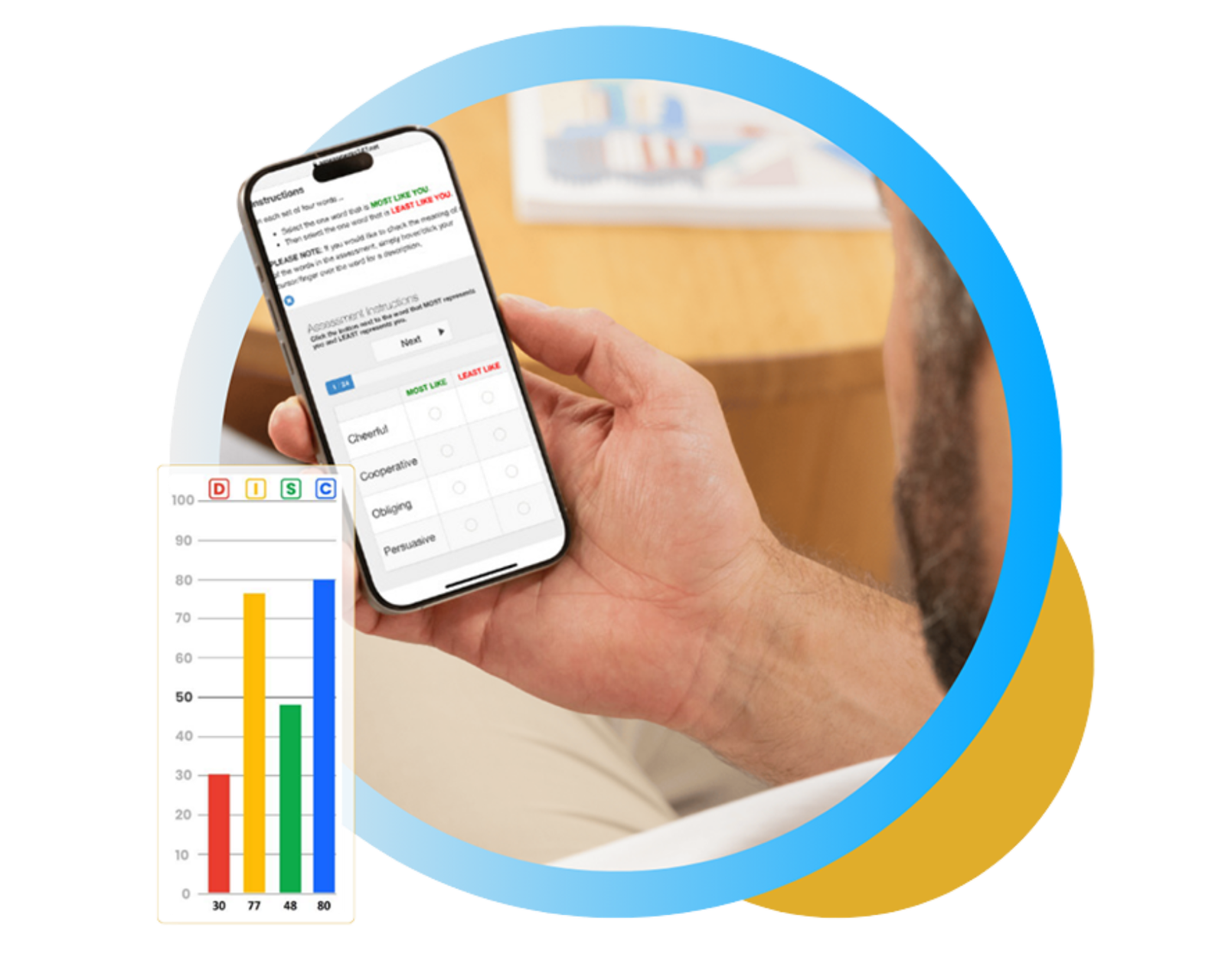
What does DISC measure?
DISC looks at what people can see. It focuses on your day-to-day behaviors and the emotions behind them. It does not judge your intelligence, education, experience, aptitude, mental health, or personal values.
You will see how you respond to pressure and problems, how you influence and connect with others, the pace you prefer, and how much structure and direction you like.
Once you see these patterns, you can lean into your strengths and adjust the areas that get in the way. Your message lands more clearly, relationships improve, and your work moves with less friction.
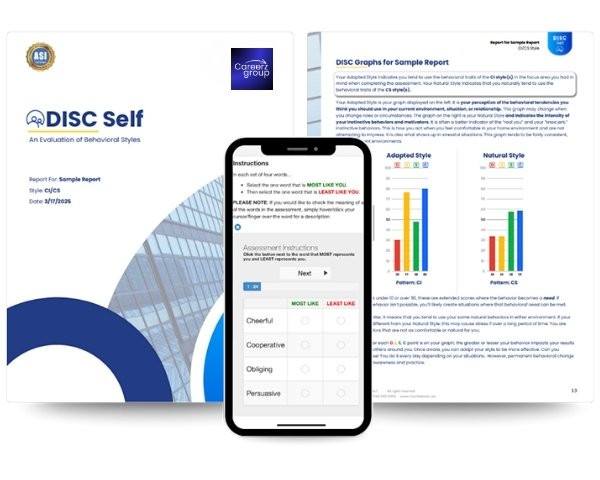
A DISC report has three parts
 Part 1: Foundations
You learn what each DISC style means and how to spot the core patterns. The model gives you a solid base in directness, openness, pace, priority, and the typical emotions linked to each style.
Part 2: Your unique blend
You get insights about what makes your style distinct. The report includes narratives, visuals, and practical lists such as Communication Do’s and Don’ts, Workplace Tendencies, Potential Areas for Improvement, Stress Responses, and your twelve Behavioral Tendencies at Work. This section is all about you and helps you understand your blend in depth.
Part 3: Adaptability in action
You explore how to flex your style with clear, usable recommendations for you and for people who work with you. It provides tools to practice better communication and to keep building your DISC skills in everyday situations.
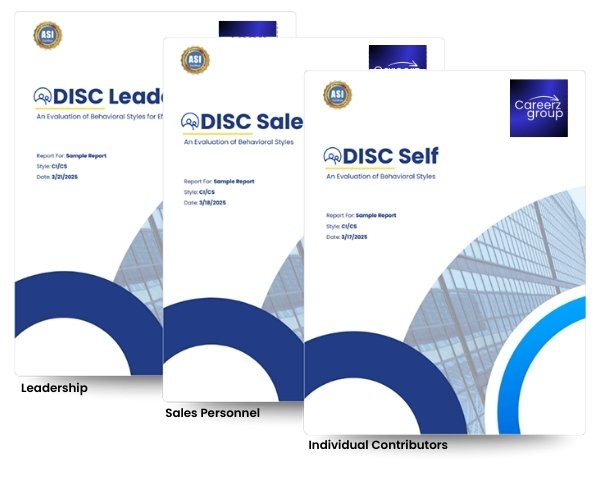
How DISC assessments work
There are no right or wrong answers. You take a short online questionnaire that often takes about ten minutes. Your Natural Style tends to stay steady over time. Your Adapted Style can shift based on your environment, the situation, or the relationship. It reflects this moment in your life. Many people retake DISC after a few years because tools improve and life seasons can change how you show up. You can score and receive your report electronically, and there are paper options as well.
What you do
You read sets of words and choose which are most like you and least like you. An algorithm turns those choices into your personal style blend. Your report explains your tendencies, needs, ideal work environment, and practical ways to adapt with others. You also see your strengths and possible challenges. The report includes a quick tour of the other DISC styles so you can understand how they act and what they may need. Used with a team, this builds shared language and smoother communication.
A note about DISC labels
DISC is not for putting people in boxes. A person with a primary D style will not act the same as every other D. A DC and a DI can look very different. The goal is awareness of communication preferences and priorities, not excuses for poor behavior. Focus on building your DISC skills in everyday situations—listen for style cues, flex your approach, and meet people where they are. That’s how you turn four letters into better conversations, stronger teams, and real results.
Passionate – Dedicated – Professional
latest news & insights
We connect real-world labor trends, human behavior, and practical tools so students, parents, and professionals can make smarter decisions about work.
Every post is built to turn confusion into clarity and “someday” ideas into next steps you can act on today.






We couldn’t have said it better
what people are saying
Real stories from students, professionals, and organizations who discovered clarity, confidence, and purpose with the JPTI™.

Smoother Communication
“Before DISC, I assumed everyone heard things the way I do. Now I know when to be patient, when to be direct, and how to meet people where they are. Projects feel smoother and life at home is easier.”
Alyssa P. | St. Petersburg, FL
Spot Style Differences
“DISC gave me words for things I felt but could not explain. I can spot different styles, choose my approach, and build trust faster. Communication is clearer with my team and with my family.”
Rosemary P. | Clearwater, FL
Improved Sales Conversations
“DISC helped me get out of my own way. I understand how I come across and how others like to communicate. I slow down, read the room, and adjust. It has improved my work conversations and my relationships at home. And best of all, my sales performance.”
Jennifer O. | Southfield, MI
Like A Crystal Ball
“It’s like my own crystal ball. I can quickly spot style differences and know how I should approach people differently. I didn’t realize what I was doing wrong. Now I do! I was able to have courageous conversations with my boss and became a trusted advisor.”
David K. | Poughkeepsie, NY