Job Scams 2026
Protect Yourself: How to Spot Job Scams on LinkedIn and Other Platforms
What You Need to Know Right Now
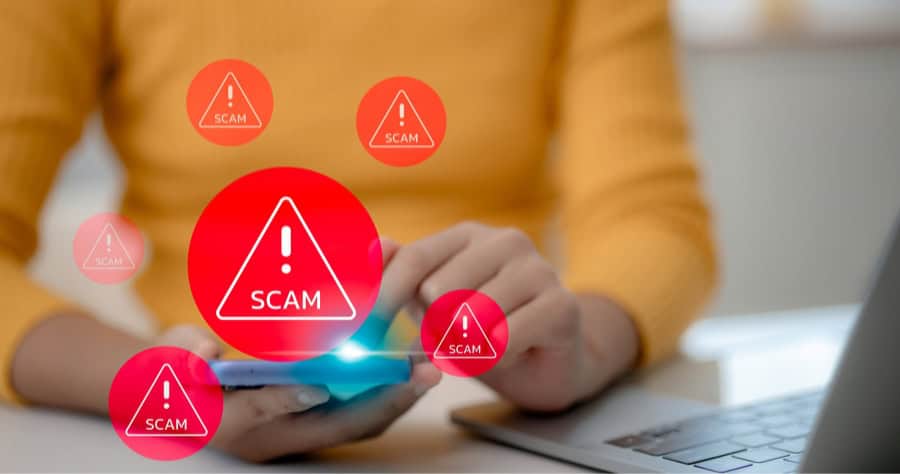
LinkedIn connects millions of professionals worldwide—but scammers know this too. Job scams on the platform have surged recently, and they’re getting harder to detect. Fraudsters are now impersonating real companies that are actively hiring, using LinkedIn’s direct messaging to reach you directly.
How the Scam Works
Here’s the playbook scammers use to steal your identity and money:
- Contact via LinkedIn DM — They pose as recruiters from legitimate, well-known companies
- Fake websites — They create convincing replicas of real company career portals
- Request personal info early — Before any real interview, they ask for your Social Security number, credit card, or banking details
- Upfront payments — They request money for “background checks,” “training,” or “equipment” (which real employers never do)
- False reimbursement promises — You’re told you’ll be paid back for expenses—but you never are
- New twist: Scammers are now using AI-generated photos and websites to make everything look even more legitimate.
How to Protect Yourself: Your Job Search Safety Checklist
Even the best job platforms can’t catch every scam. You are your own best defense. Here’s how to stay safe:
Red Flags to Watch For
💰 Any request for upfront payment (background checks, training, equipment)
💳 Requests for credit card or bank account information before you’re hired
📄 Asking for your Social Security number before an in-person or video interview
🎁 “Too good to be true” job offers with minimal qualifications required
⚡ Rushed timelines or pressure to act immediately
Verification Steps You Should Always Take
- Photos in job ads? Use reverse image search via Google Images or TinEye.com
- Job ad text? Copy a chunk of the ad text and paste it into Google—see if it appears on scam alert sites
- Company legitimacy? Visit the official company website directly (don’t click links in emails)—verify the job is listed there
- Website ownership? Use Whois.com to check who owns the domain and when it was created (scam sites are often brand new)
- Job offer authenticity? Call the company’s HR department directly using a number from their official website—not from the email you received
Pro Tips from the Experts
“Trust me, you can’t trust anyone.” A healthy dose of skepticism is your best friend during a job search.
✍️ Never provide your SSN until you’ve confirmed the offer through official channels
🖥️ Compare URLs carefully—scammers often use domains that are close to the real thing (e.g., amazon-jobs.com instead of amazon.jobs)
📞 When in doubt, pick up the phone—real recruiters are happy to verify their identity
🤖 Be extra cautious with AI-generated content—photos, voices, and websites can now be faked convincingly
Bottom Line: You’re in Control
Job hunting is stressful enough without worrying about scams. But with the right knowledge and a few simple checks, you can confidently navigate your search and avoid falling victim to fraud.
Remember:
Real employers don’t ask for money upfront
Real employers don’t need your SSN before an interview
Real employers can be verified through official channels
Stay sharp. Stay skeptical. Stay safe.
Have you encountered a suspicious job posting?
Please report it to the platform promptly and inform others in your network.
Tag @careerzgroup in your post and we’ll share with our network
These cunning new twists on traditional job scams have increased in BBB’s Scam Tracker. In fact, according to BBB’s latest Scam Tracker Risk Report, employment scams were identified as the number one riskiest scam for people ages 18-44
Share this article
Follow us
A quick overview of the topics covered in this article.